Thailand is known internationally for its world-class cable parks, but over the past decade it has also developed a growing industry of homegrown wakeboarding brands. Built by riders for riders, Thai companies have begun producing impact vests, apparel, accessories, and lifestyle products that reflect the country’s strong cable-wakeboarding culture.
Unlike the major international brands such as Ronix, Hyperlite, and Liquid Force, most Thai brands focus on the needs of cable park riders, emphasizing durability, comfort in tropical conditions, and affordable pricing. Many of these companies were founded by local wakeboarders who wanted equipment designed specifically for Thailand’s riding environment.
Perhaps the best-known Thai wakeboarding equipment brand today is Allmus. Founded and manufactured in Thailand, the company specializes in high-performance impact vests and watersports protection gear. The brand emphasizes handcrafted production, flexibility, and rider safety, while maintaining a modern design aesthetic.
Allmus products are designed primarily for wakeboarding, waterskiing, wakesurfing, and jet ski use. Their impact vests feature segmented foam construction to maximize mobility while providing protection during falls and rail riding. The company also promotes a lifetime repair service, highlighting its focus on durability and sustainability.
Today, Allmus represents one of the strongest examples of Thai-made wakeboarding equipment reaching an international audience.
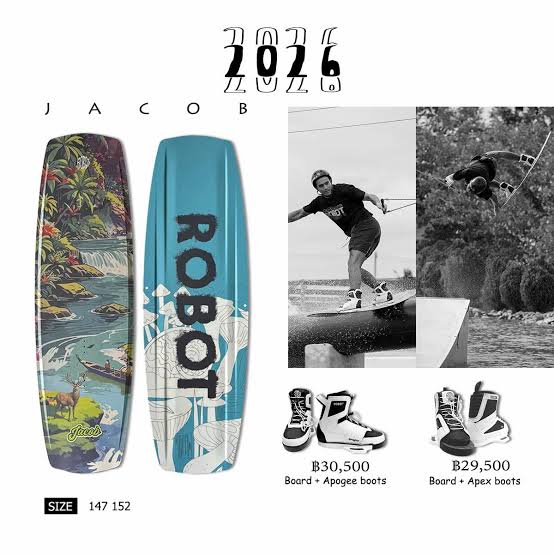
Robot emerged from Thailand’s cable wakeboarding scene as a grassroots rider brand. Known primarily among local riders, Robot has become associated with wake lifestyle products, apparel, and accessories rather than large-scale equipment manufacturing.
The brand reflects the DIY spirit that helped build Thailand’s wakeboarding community. Many Thai riders identify with Robot because it was created within the local scene rather than imported from overseas. While smaller than international competitors, Robot helped establish the idea that Thailand could create its own wakeboarding brands rather than simply consume foreign products.
228 is another name frequently seen within Thailand’s wakeboarding circles. Like Robot, it developed through the cable-park culture around Bangkok and Pattaya.
The brand has been associated with rider-driven projects, apparel, and community support. Although it operates on a smaller scale than global manufacturers, 228 contributed to the development of a uniquely Thai wakeboarding identity by supporting local athletes and events.
The emergence of brands such as 228 demonstrates how Thailand’s wake scene evolved beyond parks and coaching into a complete ecosystem of local businesses and rider-owned companies.
WhyNot represents another example of Thailand’s creative wakeboarding culture. The brand focuses on the lifestyle side of the sport, combining wakeboarding, travel, music, and youth culture.
Rather than competing directly with multinational equipment companies, WhyNot built its reputation through community engagement, events, and rider expression. This approach reflects the social nature of Thailand’s cable parks, where the culture surrounding wakeboarding is often as important as the sport itself.
One reason Thai brands have been successful is that Thailand’s wakeboarding scene differs from many other countries. Most riders use cable parks rather than boats, creating different equipment needs and riding styles. Thailand’s tropical climate also demands lightweight, breathable gear suitable for year-round use.
As a result, Thai companies have focused on:
These brands complement the country’s famous wake parks, helping create a complete wakeboarding ecosystem built around local riders and local manufacturing.
Thailand is already recognized as one of the world’s premier cable wakeboarding destinations. As brands like Allmus continue to expand and rider-owned companies such as Robot, 228, and WhyNot strengthen their presence, the country is increasingly becoming known not only for where people ride—but also for the equipment and culture created by Thai wakeboarders themselves.
The next stage of growth for Thailand’s wake industry may come from exporting more locally designed products to international markets, allowing Thai innovation to influence wakeboarding far beyond Southeast Asia.